April inflation accelerated by fuel, but also due to core price pressures
April consumer prices accelerated to 2.5% year-on-year and the story behind the inflation numbers is very similar to March. The acceleration mainly reflects higher fuel prices, but higher core demand inflation and, more recently, higher alcohol and tobacco prices are also creeping in. While energy and food prices still dampened the acceleration. The current dynamics and the Iranian conflict pose a risk of higher inflation for this year, and for the outlook for next year. While risks to the forecast remain volatile due to the uncertainty associated with the Iranian conflict, even if it calms down, higher core inflation represents a hawkish signal for the CNB in the form of a higher interest rate.
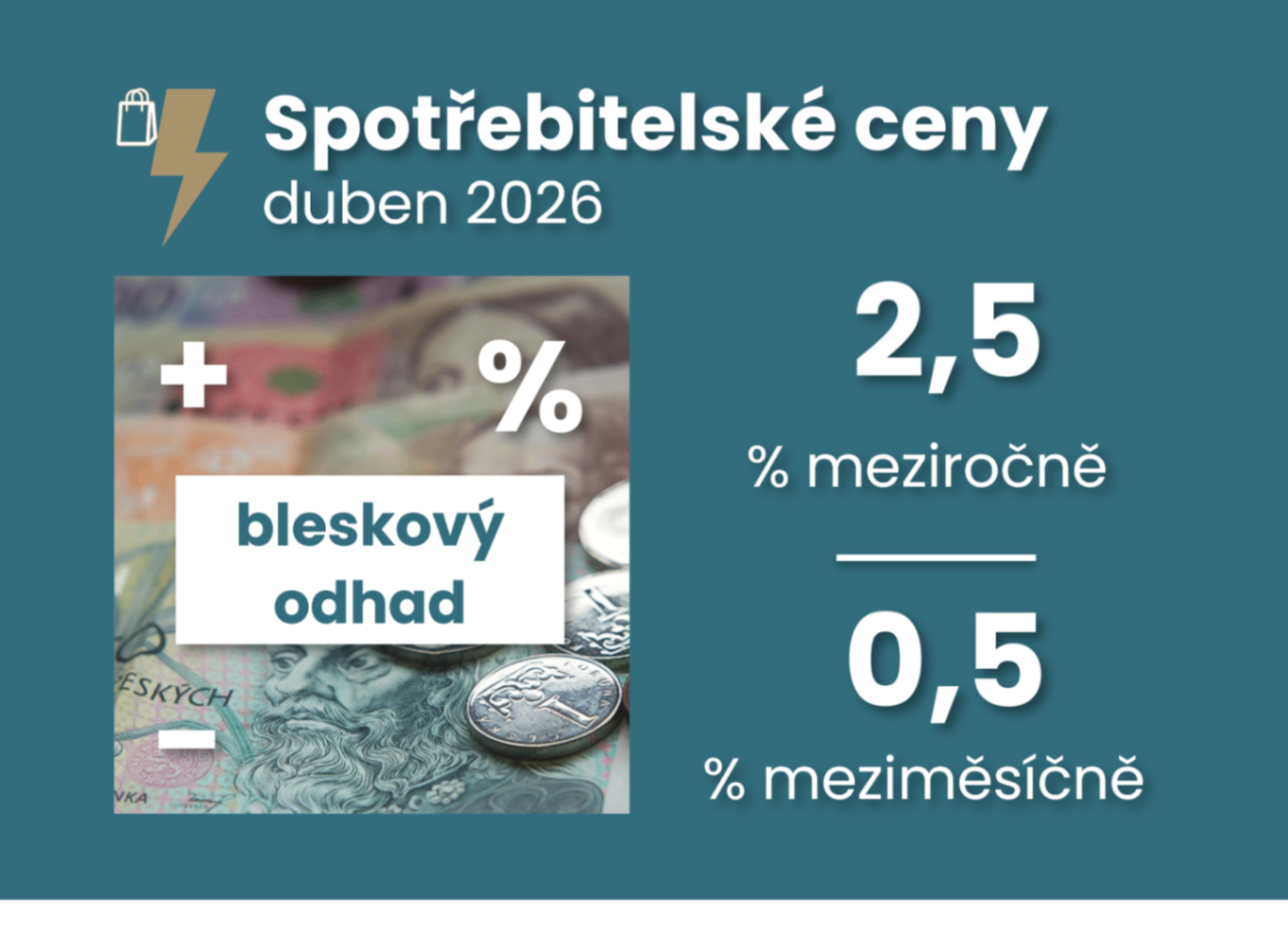
According to the preliminary estimate of the CZSO, annual consumer price inflation accelerated to 2.5% in April 2026 from 1.9% in March. This result is in line with the analysts' consensus, but is a percentage point above the CNB's forecast of 1.5% for Q2, following a 0.3 pp overshoot in March. The latest data suggest consumer prices will rise by 2.4% in the rest of the year, averaging 2.2% in 2026 after 2.5% in the previous year, and around 3% next year. This is higher than the CBA forecast of 1.7% for this year and 2.3% in 2027. In any case, the robustness of the forecasts is lower given the current high volatility of commodity prices.
March and April inflation figures reinforce the case for relatively tighter monetary policy, combined with necessary structural reforms that would bring core inflation down towards 2%. This appears to be a prerequisite for keeping inflation at the central bank’s target in the current global environment.
On a month-on-month basis, consumer prices rose by 0.5% in April, which was in line with normal growth in the previous five years. This mainly reflects a stronger-than-normal rise in fuel prices (similar to March), but also higher core inflation , while energy prices counteracted (also similar to last month).
April's 0.6 bps acceleration in annual CPI growth to 2.5% was mainly driven by higher fuel prices (0.5 bps change in contribution vs. estimated 29% annual growth), with alcohol and tobacco prices (0.2 bps) adding to this, partially offset by energy prices (-0.14 bps).
According to my preliminary estimate, core inflation is likely to have accelerated to 3% yoy from 2.9% in March (the CNB had expected a slowdown to 2.6% in February for Q2). This estimate assumes a slightly milder 0.6% month-on-month increase in non-energy administered prices. If this is correct, then seasonally adjusted month-on-month core inflation would have accelerated to 0.36% in April from an average increase of 0.3% in the previous three months (the current three-month annualized average is 4.1%). This would imply faster core inflation growth above the midpoint of the CBA's inflation target and above its 2.1% y/y core inflation forecast for Q2 2027. At the same time, this dynamic poses an upside risk to our CBA outlook, which envisages a slowdown in the pace of core inflation to 2.3% in 2027 from 2.5% this year.
The CSO will release final April inflation data on 13 May, when the CBA will announce its estimate of core inflation at 13:00 CET.
Fuel, core inflation, tobacco and alcohol behind April's acceleration in inflation, while energy and food dampen the rise


Both services and goods pose risks to the outlook for slowing core inflation 
Fuel growth dynamics significantly affected consumer price growth, but still subdued energy prices prevented a significant shock

